

Custom Packaging Design for Small Businesses
Custom Packaging Design Services for Small Businesses
Small business owners need packaging that protects products while building brand recognition. Packaging is often the first physical touchpoint a customer has with your business, and that moment shapes how they perceive your brand.Finding the right custom packaging starts with understanding your options. From material selection to box design and unboxing details, each decision shapes both cost and customer perception.
Why Custom Packaging Is a Game-Changer for Small Businesses
Custom packaging for small businesses is a brand asset that works every time an order ships. The right packaging communicates quality, builds recognition and shapes how customers feel about your brand before they even open the box.Brand Perception and First Impressions
You only get one chance to make a first impression. That moment matters, as 72% of American consumers say that packaging design influences their purchasing decisions. When nearly three-quarters of buyers judge quality by how a product looks and feels in the box, packaging design becomes a competitive advantage.
Customer Loyalty and Repeat Purchases
Packaging quality connects directly to repeat business. When customers receive an order that looks and feels intentional — the right box, clean branding and a secure fit — it signals that the business cares about every detail. That signal drives return purchases. Research shows that packaging design directly influences brand loyalty, shaping both first impressions and whether customers come back.Product Protection
Custom packaging is engineered to protect. The right fit, material and cushioning reduce transit damage and keep the customer experience intact. For small businesses where every unit matters, packaging that arrives in good condition protects both the product and customer trust.Choosing the Right Custom Packaging Boxes
The right packaging depends on the product, the sales channel and the customer experience you want to create.Paper-Based and Corrugated Options
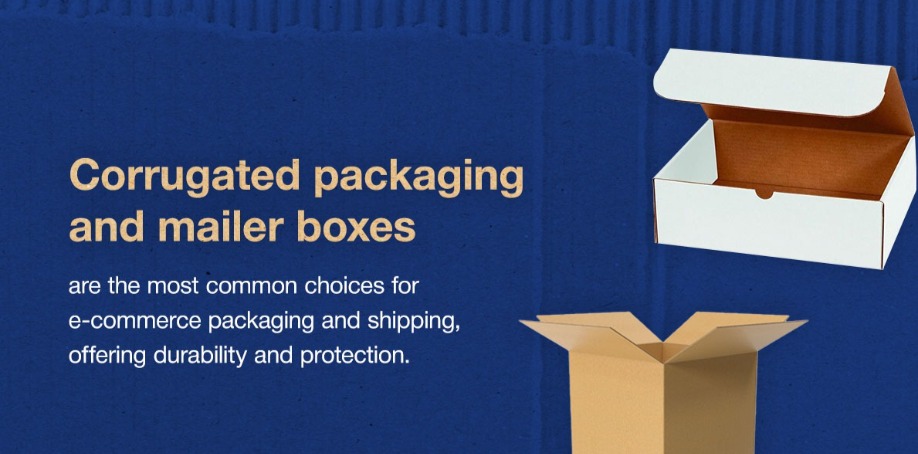
Corrugated packaging and mailer boxes are the most common choices for e-commerce packaging and shipping, offering durability and protection. Chipboard and folding cartons work better for retail shelf presence, where lighter-weight construction and print quality matter more than heavy-duty protection. Custom-branded boxes in either format give small businesses a chance to stand out in competitive markets.
Flexible Packaging, Labels and Inserts
Food and beverage packaging often relies on flexible options like bags, pouches and films, which work well for lighter products that require food-safe materials.Labels, printed tape and interior inserts offer cost-effective ways to add branded touches without committing to a full custom box. These options give small businesses flexibility to test packaging approaches before scaling up.
Eco-Friendly and Sustainable Materials
Consumer expectations are shifting, and packaging reflects that trend. Sustainable products are growing faster than conventional ones, accounting for 44% of market growth from 2013 to 2025, and this share is expected to increase.Corrugated and paper-based packaging have recycling rates between 69% and 74%, among the highest of any material. For small businesses, recyclable corrugated and kraft paper options meet customer expectations without compromising on protection or print quality.
Creating a Memorable Unboxing Experience
Packaging is more than just a container — it's a brand experience. A well-designed unboxing experience can drive social sharing, loyalty and repeat purchases. Small business packaging ideas don't have to be expensive to be effective. Branded tissue paper, printed inserts, thank-you cards and custom tape can elevate the experience without requiring a complete overhaul. Even small touches make a difference in a crowded market.When a customer receives an order that feels thoughtful and intentional, these details build emotional connection. In turn, they're more likely to remember the brand, recommend it to others and return for future purchases.
Understanding the Costs of Custom Packaging
Custom packaging pricing depends on several variables and varies significantly by project, which is why many providers offer free quotes.Five key factors drive custom packaging costs:
Material type: The base material — corrugated, chipboard, flexible packaging — affects both cost and protection level.
Box dimensions: Larger boxes require more material and increase per-unit costs.
Print method: Digital printing works well for shorter runs with lower setup costs, while flexographic printing becomes more cost-effective at higher volumes.
Special finishes: Foil stamping, embossing and UV coating add visual impact but also increase the cost.
Order quantity: Ordering more units generally reduces the per-unit cost because setup and tooling expenses are spread over a larger run.
How to Keep Costs in Check
Standardizing box sizes reduces tooling and die costs. Starting with one core packaging type before expanding your range keeps initial investment manageable. Digital printing works well for small-quantity custom box orders, offering lower setup costs and faster turnaround. Labels or printed tape provide a budget-friendly entry point before committing to fully custom boxes.Some suppliers maintain in-stock products and offer just-in-time warehouse capabilities, which can reduce lead times and help manage inventory costs.
How to Start Your Custom Packaging Design
Custom packaging design involves three simple steps.1. Define Your Product and Audience
Before choosing a box, start with these foundational questions that shape every design decision:What is the product? Consider its size, weight, fragility and any food-safe requirements.
How will it be shipped or displayed? Is it for e-commerce, a retail shelf or a food service?
Who is the customer and what do they value? Does your customer value sustainability, a premium feel or simplicity?
These answers guide every decision that follows. Designing your product packaging starts with clarity on what the packaging needs to accomplish.
2. Choose Your Materials and Packaging Type
Next, consider your materials. Corrugated packaging options offer durability and shipping protection, while chipboard works well for retail shelf presence. Flexible packaging suits food and lighter products, and labels or tape provide budget-conscious branding without the full investment. Recyclable corrugated and kraft paper align with consumer sustainability preferences.3. Work With a Packaging Consultant to Finalize Your Design
Working with a dedicated packaging consultant removes the guesswork. Some packaging suppliers offer in-house design teams and corrugated manufacturing capabilities, which enable faster turnaround times. Look for suppliers with decades of experience, comprehensive service offerings and the ability to support both small test runs and larger production orders.Your Custom Packaging Starts With Neway Packaging
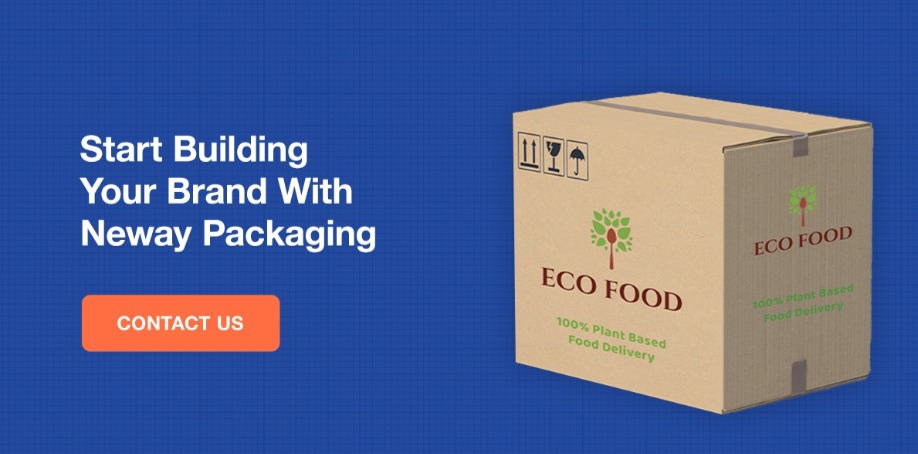
Neway Packaging has spent over four decades helping businesses find the right packaging solution at the right price. From flexible food packaging to custom labels, printed tape and full design consultation, our team covers the entire spectrum. We also distribute stretch wrap, shrink wrap, strapping and protective packaging materials, supporting a safe transit.
With seven distribution facilities, in-house corrugated manufacturing through Las Vegas Container, just-in-time warehouse capabilities and free delivery, turnaround times stay fast and quality stays consistent. Whether you're launching a new product or refining what you already have, we work with you to get it right. Call 310-898-3400 or request a free quote to get started.